
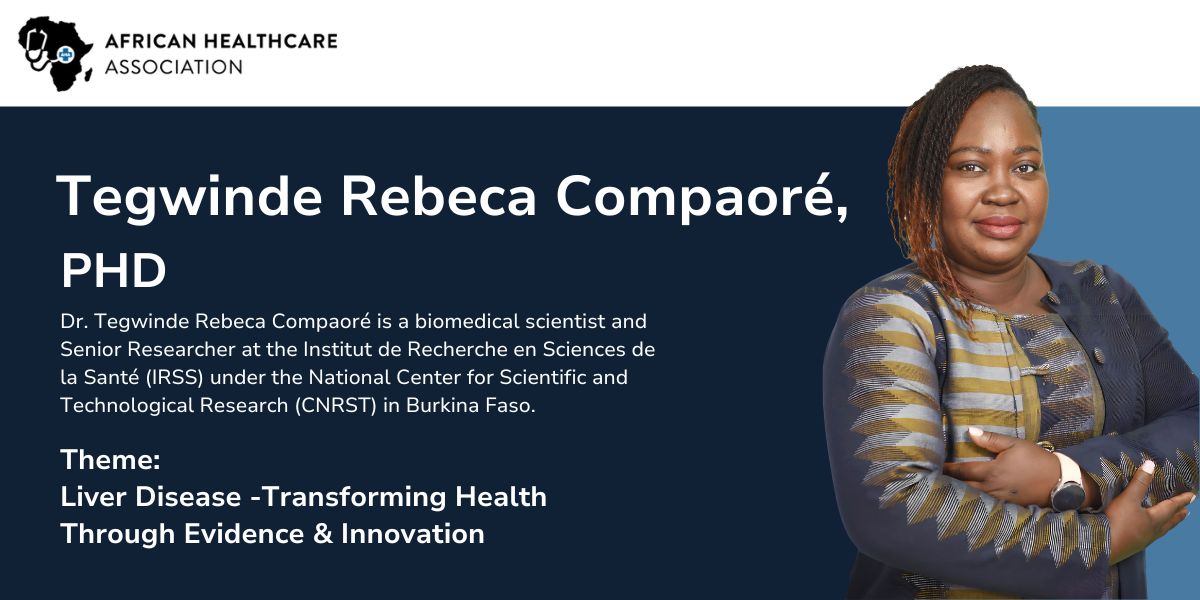
We hosted our April virtual meeting on April 29th, 2026, where Dr. Tegwinde Rebeca Compaoré brilliantly presented and led an engaging discussion on Liver Disease, a critical yet often overlooked public health issue in Africa.
Liver disease is often referred to as a “silent disease” because it can progress without symptoms until it reaches advanced stages including liver cancer. Across Africa, hepatitis B and C remain a major health burden, with many individuals unaware of their status contributing to ongoing transmission and severe complications.
For additional learnings, her slides are available and can be found in the resource section of our member’s portal.
Key insights from the session
- Liver health is central to overall well-being. The liver supports metabolism, detoxification, and immune function
- Protecting your liver means protecting your life. However, gaps remain between research, innovation, and real-world implementation, limiting the full impact of available solutions
- Early detection of liver disease matters and plays a critical role in improving outcomes by reducing the risk of severe complications, lowering healthcare costs, improving quality of life, and is a better use of healthcare resources
- Hepatitis B vaccination is recommended to begin within 24hhours after birth, followed by scheduled doses in infancy
- Hepatitis C can be transmitted through many unsafe practices, like sharing blades, syringes, and certain African traditional procedures, such as scarification
- Treatment and cure for hepatitis C take up to 3 months with proper adherence and follow-up
- Most vaccines used across Africa are imported, highlighting the need for locally developed vaccines tailored to regional virus strains
- Research and evidence on hepatitis burden and screening exist, but are often underutilized in practice
- The future of liver health in Africa requires stronger screening programs, scalable local innovations, precision medicine approaches, and integration of AI and big data to improve detection and care
We had a full room of 42 attendees joining us from all over the world, primarily Canada, the USA, and West Africa.
Some of the key questions asked:
- Does liver disease increase the risk of cancer?
Yes. Chronic hepatitis B is a leading cause of liver cancer, making regular monitoring essential. - Are screening and vaccination widely implemented?
While newborn vaccination is common, screening access remains limited in many areas, leading to late diagnosis. - Is Africa moving toward local vaccine production?
There is growing interest and advocacy, but progress requires investment, infrastructure, and partnerships.
Take action today
Simple steps can make a difference:
- Get vaccinated
- Get tested regularly
- Seek care early
Do you know your hepatitis status?
Connaissez-vous votre statut vis-à-vis de l’hépatite ?
Taking this simple step could save your life or the life of someone you care about.